
Fashion internships in NYC — where to look and what to send
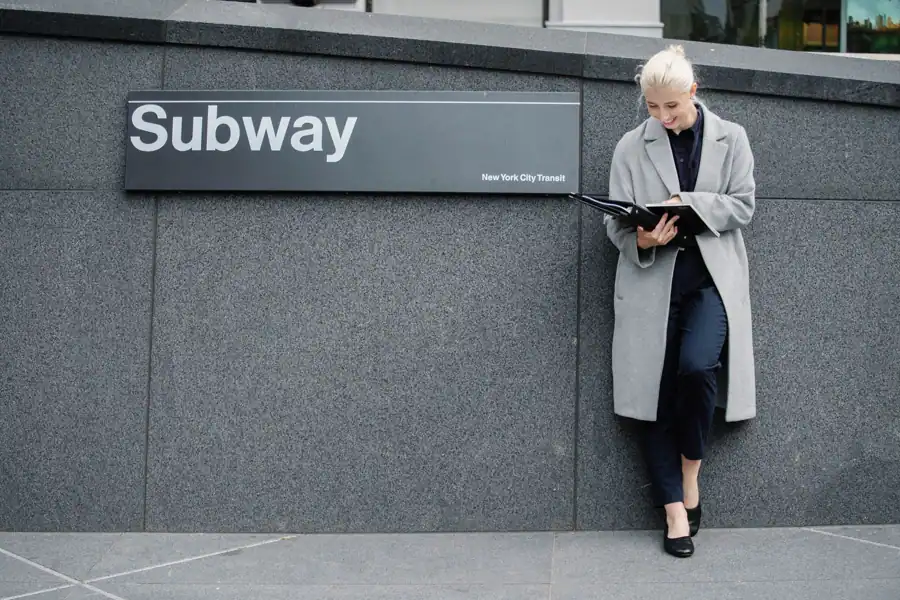
Fashion internships in NYC are posted on a handful of platforms, LinkedIn, FashionJobs, FreeFashionInternships and brand career pages, and most open three to six months before the start date. The application itself is small: a one-page resume, a short cover note, and a portfolio or work samples. What decides the outcome is timing and specificity, not volume.
Where fashion internships in NYC are actually posted
There is no single fashion internship board. Openings spread across four kinds of places, and the ones that fill fastest are the ones nobody refreshes.
- Job boards with volume. LinkedIn's New York fashion internship listings run into the hundreds at any given time, merchandising at TOD'S Group, knitwear at Carolina Herrera, wholesale at Bottega Veneta, buying at HUGO BOSS. Set an alert rather than checking manually; postings there can go live and close inside a week.
- Dedicated fashion boards. FreeFashionInternships and FashionJobs list roles that never reach general boards, especially at small labels and showrooms.
- Brand career pages. Larger houses post directly and sometimes only there. If you have ten target brands, check their pages on a fixed day each week.
- Programs and funds. The Fashion Scholarship Fund collects internship postings from partner companies and lets you set an alert for new ones, useful because it aggregates roles you would otherwise miss.
One pattern worth noticing: the same company often posts the same internship twice, months apart. That is not a repost error. It means the first hire fell through.
Who hires interns in New York
New York's fashion internship market splits into four employer types, and each one wants a different thing from you. Applying to all four with the same materials is the most common way to hear nothing back.
| Employer type | What they screen for | Typical roles | Typical term |
|---|---|---|---|
| Luxury and designer houses | Portfolio polish, brand literacy | Design, wholesale, PR | Fall or spring, 3-4 months |
| Large retail groups | Spreadsheet comfort, organization | Merchandising, buying, planning | Summer, 8-10 weeks |
| Contemporary and DTC labels | Speed, willingness to do everything | Design, marketing, social | Rolling, 2-4 months |
| Showrooms and agencies | Communication, sample handling | Sales, wholesale, styling | Seasonal, market weeks |
Retail groups tend to run structured programs with start dates and a final project; smaller labels hire when they are short-handed and expect you to start next week. Both count. The structured one gives you a line on your resume, the small one gives you actual work to show.

Photo: Horacio Rojas · Pexels
Timing: when to apply for summer 2026 and 2027
Summer internship recruiting in NYC runs early, often five to eight months before the internship starts. A Summer 2027 merchandising program at a major retailer can be posted in the fall of 2026, and a Fall 2026 internship may appear the previous spring.
If you are reading this in the spring and want a summer placement, you are not too late, you are just fishing in a different pond. Big structured programs will mostly be full. Boutiques, showrooms, stylists and DTC brands hire on rolling timelines and often still need someone in June.
The reverse is also true: applying in January for a summer program that opens in March means your materials sit in a pile nobody has started reading.
What to send: resume, cover note, portfolio
Three files decide almost everything. Keep each one shorter than you think it should be.
The resume
One page, no exceptions at internship level. Lead with anything that produced a physical or published result, a lookbook, a pop-up, a campus show, a shop floor. Retail experience counts more than people expect, because it proves you can handle a sample and a customer on the same afternoon.
The cover note
Four short paragraphs: why this brand specifically, what you can already do, what you want to learn, when you are available. Name a collection, a campaign or a product you actually looked at. Generic notes read as mass applications because they are.
The portfolio or work samples
Six to ten pieces, one page each, labeled with what you did on them. If you have no fashion work yet, send photography, illustrations, a styling test you shot with friends, or a trend research deck. A tight deck of mood boards and color palettes is a legitimate portfolio for trend and design roles.
Send all three as one PDF where the posting allows it. Fewer files, fewer chances for something to get lost.
Photo: Following NYC · Pexels
What fashion interns in NYC get paid
Pay in New York fashion internships ranges from unpaid plus school credit to roughly $20-$25 an hour at large corporate programs. The split is not random, it tracks employer type almost exactly.
| Employer type | Typical pay | Credit available | Hours per week |
|---|---|---|---|
| Large retail groups | Hourly, paid | Usually yes | 35-40 |
| Luxury and designer houses | Stipend or unpaid | Yes | 20-35 |
| Contemporary and DTC labels | Stipend or hourly | Often | 15-30 |
| Stylists and small studios | Day rate or unpaid | Sometimes | Flexible, shoot-based |
Before accepting an unpaid placement, check whether your school requires it for credit, and whether New York's internship rules apply to your situation, unpaid internships at for-profit companies have legal limits, and the rules vary by state. If money is the deciding factor, target the retail groups first and treat the rest as a second pass.
There is one more cost people forget to budget: getting to and from the Garment District or Midtown five days a week.
Fashion styling internships in NYC
Styling internships are the least structured and the most relationship-driven corner of the market. They rarely appear on big boards, and when they do, they fill within days.
Look in three places: showrooms that produce their own e-commerce shoots, editorial and content teams at DTC brands, and independent stylists who post on Instagram when they need a hand on set. A styling internship usually means steaming, prepping, returning samples, and keeping the rail in order, the creative part comes after you have proven you can be trusted with the clothes.
For a styling application, skip the resume-first approach. Lead with images. A small, well-shot styling test, even one you produced yourself, says more than a list of responsibilities.
Five mistakes that get applications ignored
- Applying only to famous names. The most visible brands get the most applications. The mid-size labels get good candidates and still have openings in May.
- Sending the same note everywhere. One sentence about the brand's actual product is usually enough to separate you from the pile.
- Ignoring dates. If the posting says Fall 2026 and you are available in summer, say so or skip it.
- No portfolio link. Attachments get stripped. A clean link in the first line solves it.
- Waiting for a reply before applying elsewhere. Send in batches of five to ten and keep moving.
One more, less obvious: not following up. A single short email a week after applying is normal in this industry, not pushy.
FAQ
How hard is it to get a fashion internship in NYC?
Competitive but not closed. Large structured programs at well-known brands screen heavily, while showrooms, small labels and stylists hire on rolling timelines with far less competition. Applying broadly across employer types, not just the names you recognize, changes the odds more than anything else.
What do fashion interns in NYC get paid?
Large retail groups typically pay an hourly rate, while luxury houses, small labels and stylists often offer a stipend, school credit, or nothing. Unpaid internships at for-profit companies have legal limits, so check the current rules and your school's credit requirements before accepting.
When should I apply for a summer internship?
Five to eight months ahead for structured programs, so fall for the following summer. If you are applying closer to the start date, shift your search to small labels and showrooms, which hire on rolling timelines and often need someone within weeks.
Do I need a fashion degree to get an internship?
No, but you need evidence of relevant work. Photography, illustration, retail experience, a styling test or a trend research deck all function as proof of ability. What gets rejected is a generic application with nothing visual or concrete attached.
Can high school students get fashion internships in NYC?
Some do, though options are narrower and often unpaid or program-based. Retail roles, family-adjacent businesses, and nonprofit or scholarship programs are the most realistic entry points before college.
Is there an age limit for fashion internships?
No formal one. Career changers and older students get hired, particularly at retail groups and showrooms where reliability matters. What matters is that your materials explain the transition clearly.
Start with five, not fifty
Pick five employers across at least three of the employer types above, tailor one page each, and send them this week. Then set alerts on the boards so the next round comes to you instead of waiting to be found. If you want more context on how the industry side of this works, our interview with an email marketing manager and conversation with Derek Lam and Jenna Lyons both show what the day-to-day actually looks like.
More on the site
Read next

Fashion jobs New York city: roles, pay and how to start
There are more than 8,000 open fashion jobs in New York at any given moment. Almost none of them are "designer." That gap between what people picture …

Fashion nova careers — what the work really looks like
What Fashion Nova careers actually involve Fashion Nova is a fast fashion and lifestyle brand headquartered in Beverly Hills, California. Its careers …
Fashion district New York: a practical guide
What the fashion district in New York actually is The Garment District, also called the Garment Center or the Fashion District, sits in Manhattan betw…