
Fashion marketing internships — where to look and what to send
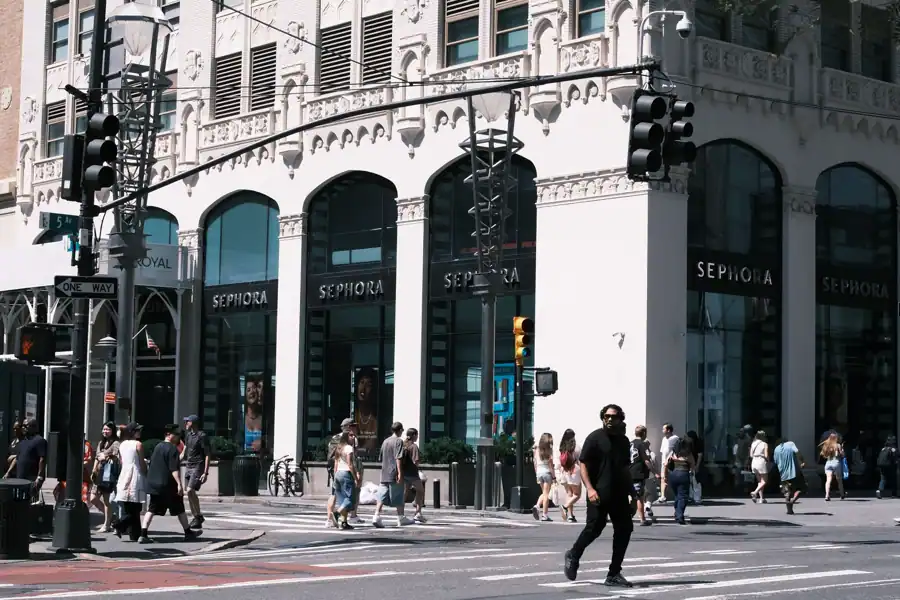
Fashion marketing internships are posted year-round, but the strongest programs hire on a calendar: summer roles open in late fall, spring roles in October and November. You'll find them on LinkedIn, brand career pages and the Fashion Scholarship Fund job board, and the application that wins is a short, specific pitch with real work attached, not a generic resume.
Where fashion marketing internships are actually posted
Most listings cluster on three surfaces, and each one hides different roles. LinkedIn carries the volume, searches for fashion marketing internships in the United States return thousands of live postings at any given time, from a two-person jewelry label to a national retailer. Brand career pages carry the prestige: URBN posts Anthropologie, Urban Outfitters, Free People and Nuuly internships directly, and Victoria's Secret runs its own summer program rather than outsourcing the funnel.
The third surface is the one people miss. Industry non-profits and trade boards, the Fashion Scholarship Fund among them, list internships that never appear on LinkedIn at all, including trend research and styling roles at companies most applicants have never heard of.
Geography matters more than you'd think. New York and Los Angeles hold the densest clusters, Philadelphia has become a real hub thanks to URBN, and Dallas, Knoxville and St. Louis all host established programs at apparel companies headquartered there.
Remote listings exist, but they're usually social media or content roles at small brands. If you want to touch product, plan on being in a room with it.
The hiring calendar: when to apply for each term
Fashion runs on seasons, and so does its hiring. Summer internships for the following year typically post between September and December, with some large retailers opening applications as early as late summer. Spring internships post in October and November. Fall internships post in June and July.
The practical consequence: if you start looking in April for a summer role, you're applying to whatever is left. Set job alerts in August and check them weekly through November. LinkedIn lets you save a search and get notified about new fashion marketing internship postings, which beats refreshing job boards by hand.
| Term | Apply by | Typical length | Where it's most common |
|---|---|---|---|
| Summer | September-December | 10-12 weeks | Corporate brands, NYC and Philadelphia |
| Spring | October-November | 10-14 weeks | Retailers, merchandising teams |
| Fall | June-July | 10-14 weeks | Agencies, small labels |
| Rolling | Any time | 3-6 months | Startups, social media roles |
One more thing about timing: applications that arrive in the first week a posting goes live get read by humans. Applications that arrive in week four get filtered by software.

Photo: Vitaly Gariev · Pexels
What interns actually do all day
The title says marketing, but the work splits into four buckets, and knowing which one you're applying for changes what you send. Brand marketing interns support campaign planning, competitive research and asset coordination. Social media interns shoot content, write captions and manage a posting calendar. Influencer marketing interns build creator lists, track deliverables and pull performance numbers. Retail and e-commerce marketing interns work on email campaigns, promotions and site content.
At a large company you'll own a slice of one of those. At a small label you'll touch all four in the same week, which is better training and worse structure. Neither is wrong, just decide which you want before you write your cover letter.
If email and lifecycle marketing interests you, it's worth understanding what that job looks like full-time before you commit a summer to it. Our interview with an email marketing manager covers the day-to-day reality.
What to send: the four-piece application
Most applicants send a resume and a paragraph. The ones who get interviews send four things, and none of them take a week to build.
- A one-page resume with a line at the top stating the role you want and the term. Recruiters sort hundreds of these; ambiguity gets you skipped.
- A short cover note, three paragraphs maximum. Name the brand, name one specific thing they did recently that you noticed, and say what you'd work on. Skip the childhood love-of-fashion story.
- Two or three work samples relevant to the bucket you're targeting. A mock campaign concept, a set of social captions, a short trend report, a content calendar. You don't need a client, you need evidence you can do the task.
- One link that holds everything: a simple portfolio page, a PDF, a Notion doc. Not four attachments.
Samples matter more than credentials in this field. A student with three sharp mock campaigns beats a student with a 3.9 GPA and nothing to show, because the hiring manager can picture the first one doing the work on day two.
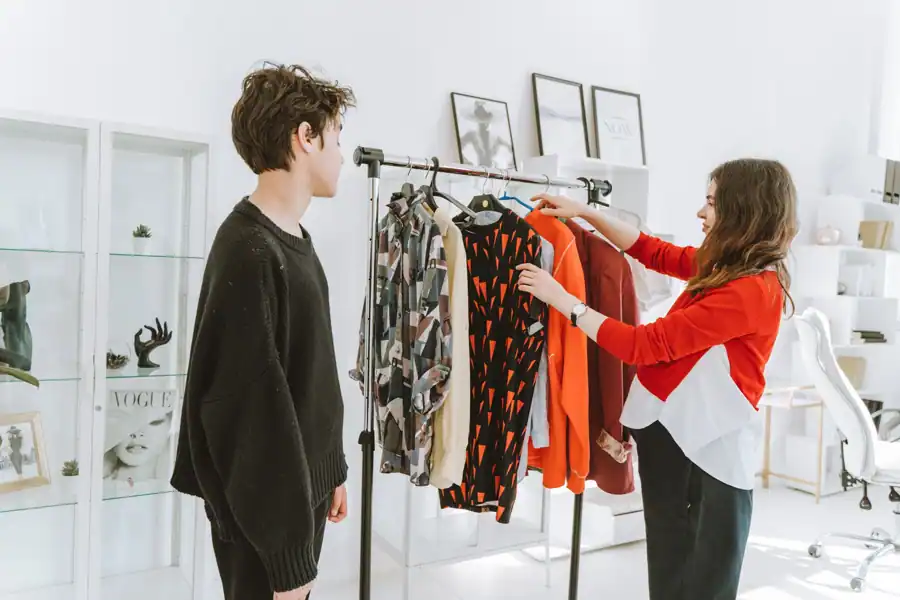
Photo: Anastasia Shuraeva · Pexels
How to apply with no fashion experience
You don't need a fashion background. You need proof you can do the task, and that's buildable in a weekend. Pick a brand you'd actually want to work for, then produce the thing their intern would produce: a five-post content calendar with captions, a one-page trend brief on a category they sell, or a teardown of a recent campaign with three suggestions.
Adjacent experience counts more than you think. Retail floor work, campus club marketing, a personal account with real engagement, freelance design, event organizing, all of it translates. Write it on the resume in marketing language: audience, channel, result.
Age is a non-issue. Internships draw career changers, graduate students and parents returning to work, and employers care about the samples, not the graduation year. If you're older than the typical applicant, lead with what you've shipped.
For more on building a career from an unconventional starting point, this story about painting your own future is worth ten minutes.
Unpaid internships and other red flags
Unpaid fashion internships are common, especially at small labels and in Los Angeles, and the legal rules around them vary by state. In the US, an unpaid internship generally has to be tied to academic credit or training that primarily benefits the intern, if you're doing the work of a paid employee, that's a problem, and in some states it's not legal.
Before you accept, ask three questions in writing:
- Who will I report to, and how often will we meet?
- What will I have finished by the end of the term?
- Is there a stipend, and does the program offer academic credit?
A vague answer to the second question is the real warning sign. If nobody can name your deliverable, you're not getting training, you're getting free labor.
FAQ
Is it hard to get a job in fashion marketing?
Entry-level fashion marketing is competitive because the applicant pool is large and the number of brand-side roles is small. The way through is specificity: pick one function, build samples for it, and apply to companies where that function actually exists. Generalists with no portfolio struggle; specialists with three good samples get interviews.
Is fashion marketing well paid?
Marketing pays less than fashion design's top end and less than tech, but it's a normal salaried career. Internships themselves are often low-paid or stipend-only, especially at small brands. Treat the internship as tuition, not income, the value is the line on your resume and the network.
Does Zara do internships?
Inditex, Zara's parent company, runs internship and graduate programs through its corporate careers site rather than posting every role on job boards. Check the corporate page directly and set an alert, because these openings close fast.
Is 27 too old for an internship?
No. Internships are used by students, graduates and career changers alike, and employers screen on skills and samples. If anything, older applicants have more real work to point to.
How do I get experience in fashion marketing with no internship?
Build the work yourself. Run social for a campus club, do a freelance content project for a local boutique, or produce a mock campaign for a brand you admire. Three finished samples do more for your application than any certificate.
Start with one brand this week
Pick a single brand, find the person who runs its marketing, and build the sample their intern would build. Send it in the first week the next posting goes live, with one link and three paragraphs. That's the whole method, the calendar just decides when you press send.
More on the site
Read next
Fashion internships New York: how to land one
Fashion internships in New York are not won by the most talented designer in the room. They go to the person who applied first, wrote a clean email, a…

Fashion industry internships: how to land one
Most fashion internships are filled before they are ever posted. The listing you see on a job board is often the last step of a process that started w…
Fashion internships in NYC — where to look and what to send
Fashion internships in NYC are a handful of platforms, LinkedIn, FashionJobs, FreeFashionInternships and brand career pages, and most open three to si…