
01Where the jobs actually are
Job boards list more than 11,000 retail fashion openings across the New York City metropolitan area, and roughly 900 fashion listings inside the city itself at any given moment. That gap tells you something important: most of the hiring happens outside Manhattan, in malls and street corners from Manhasset to Elizabeth, New Jersey.
The fashion district in New York City, the Garment District around Seventh Avenue and 38th Street, is still the address for showrooms, sample rooms and wholesale. But the daily hiring volume sits in three other places: Fifth Avenue and SoHo flagships, the photo studios of Brooklyn and Long Island City, and suburban stores that carry the same brands.
Sales Associate is the single most posted title in the metro. Tory Burch, Sam Edelman, AG Jeans, Sandro and Maje all run the same listing repeatedly because turnover is constant. If you want a foot in the door this month, that is the door.
 объясняет
Location decides your commute, and your commute decides whether you last past month three.
02The retail floor: what a shift feels like
A full-time sales associate shift runs eight hours with one unpaid break, and you spend most of it standing. You greet, you fit, you fold, you re-fold. A single customer trying on six pieces can eat forty minutes.
The work splits into four repeating blocks:
- Clienteling, texting regulars when new stock lands, keeping a book of names and sizes.
- Fitting room, running sizes, steaming returns, keeping the queue moving.
- Floor reset, folding tables, sizing racks, replacing sold-out displays before opening.
- Stock and shipping, receiving boxes, tagging, pulling online orders for pickup.
Managers watch two numbers: units per transaction and sales per hour. Hit them and you get scheduled first. Miss them twice and your hours shrink, that is how retail quietly lets people go.
Stylist roles at places like Bloomingdale's and John Varvatos are the same job with a wardrobe budget and a client list attached. They pay better because you are expected to bring people in, not wait for them.
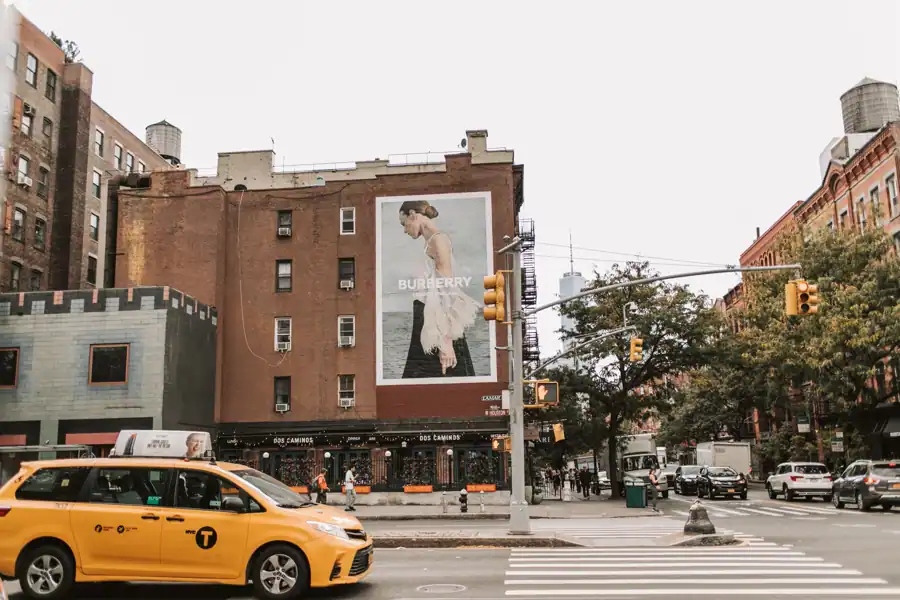
Photo: Vlada Karpovich · Pexels
03Showroom, studio and e-commerce roles
The roles that look glamorous from outside are usually the most physical. A stock associate at a Fifth Avenue store lifts and scans all day; a seasonal hire there often converts to permanent if you show up early twice a week.
E-commerce photography is the quiet growth area. Michael Kors and similar brands hire senior e-commerce photographers who shoot dozens of garments a day on a fixed rig, same lighting, same angle, same crop, every time. It is repetition, not editorial fantasy, and it pays like a technical job.
Showroom and wholesale roles in the Garment District run on a seasonal calendar. You prep samples, pack trunks, track orders and answer buyers. February and August are brutal. June is slow enough to take a long lunch.
Corporate jobs, email marketing, buying, planning, production, are the ones people stay in for a decade. Our interview with an email marketing manager in fashion shows the pattern: you enter through a temporary or assistant role, then grow sideways into a specialty.
| Role | Typical pay | Schedule | Experience needed | Path forward |
|---|---|---|---|---|
| Sales associate | $17-$22/hour + commission | 20-40 hrs, weekends | None | Keyholder, assistant manager |
| Stock associate (seasonal) | $17-$20/hour | Early shifts, holidays | None | Permanent stock, floor sales |
| Stylist | $20-$28/hour + bonus | 40 hrs, evenings | 1-2 years retail | Personal styling, buying |
| Assistant store manager | $50,000-$65,000/year | 45+ hrs, open availability | 2-3 years | Store manager |
| Store manager | $70,000-$110,000/year + bonus | 50 hrs, on call | 3-5 years | District, regional |
| E-commerce photographer | $65,000-$95,000/year | Studio hours, Mon-Fri | Portfolio + 2 years | Senior, art direction |
| Showroom / wholesale assistant | $45,000-$60,000/year | Seasonal crunch | Internship or 1 year | Account exec, buying |
One listing in SoHo for a store manager role advertised $100,000-$120,000 base plus bonus, health insurance, PTO and a 401K. That is the top of the floor ladder, and it takes years of weekends to reach.
04How people get hired without a fashion degree
Nobody on a sales floor asks where you studied. They ask when you can start and whether you can work Saturdays.
What actually moves an application forward:
- A one-page resume with job titles, dates and one number per role, sales per hour, clients kept, units shipped.
- Open availability written plainly. "Weekends and holidays" beats "flexible" every time.
- A short walk-in at the store you want, mid-morning on a weekday, asking for the manager by name.
- Job alerts set on the boards, because early applicants get filtered first.
- A portfolio or Instagram only for design, styling and photography roles, never for sales.
Internships are the standard bridge into corporate. They are usually unpaid or low-paid, and they convert to full-time offers more often than people expect, but only if you treat the internship like a three-month interview. Our piece on building your own path into the industry covers that shift in mindset.
05Five mistakes that cost you the offer
Most rejections in New York fashion hiring come down to logistics, not talent.
- Applying only in Manhattan. You cut your options by more than half, the metro area holds the bulk of openings.
- Saying "I love fashion" as your reason. Managers hear it ten times a day. Name a brand, a product, a selling approach instead.
- Ignoring the commute. A 90-minute trip each way ends most retail careers by week six.
- Skipping the follow-up. One short message two days after the interview puts you ahead of equally qualified candidates.
- Treating a seasonal role as temporary. Seasonal hires who hit their numbers get kept; the rest get a goodbye in January.
Get the logistics right and the fashion part becomes the easy half.
06Questions people ask before applying
Is it hard to get a fashion job in New York City right now?
Entry-level retail is not hard to enter, the volume of openings is high and turnover is constant. Corporate and design roles are genuinely competitive, often drawing hundreds of applicants per posting. The realistic strategy is to enter through the floor or an internship and move sideways.
Can you work in fashion without a degree?
Yes, for retail, stock, styling and store management. Design, buying and marketing usually expect a related degree or a strong portfolio. Experience and a track record of numbers can substitute over time, but the first step is easier with either a degree or a referral.
What does a fashion sales associate actually do all day?
You greet customers, run the fitting room, restock and fold, and build a client list you contact when new pieces arrive. Expect eight-hour shifts on your feet, with weekends and holidays as the busiest selling days.
Do fashion jobs in New York City pay enough to live on?
Hourly floor roles alone rarely cover city rent without roommates or a second job. Assistant manager and above, plus corporate and photography roles, reach salaries that work long term. Commission and bonus can add meaningfully for strong sellers.
Where is the fashion district in New York City?
The Garment District runs roughly from 34th to 42nd Street between Fifth and Ninth Avenue, centered on Seventh Avenue. It holds showrooms, sample rooms and wholesale offices rather than most retail hiring. For store jobs, look to Fifth Avenue, SoHo and the suburban malls.
07Pick the door, then walk through it
Start where the volume is: a sales or stock role in the metro area, with open weekend availability and a one-page resume. Use the floor to learn how product actually sells, then move toward styling, showroom work or e-commerce production. The city rewards people who show up consistently far more than it rewards people with the best portfolio.
For more on how careers in this industry actually unfold, browse our fashion careers coverage and the story behind this site.
08More on the site
Read next

Fashion design internships: where to look and what to send
Most fashion design internships are never posted publicly. They get filled through a short email, a professor's introduction, or a portfolio someone…
Fashion careers in LA: what the work really looks like
Fashion careers in LA are less about runway shows and more about showrooms, spreadsheets and shipping deadlines. The city's industry runs on…

Fashion industry careers: what the work really looks like
Careers in the fashion industry split into two worlds: the creative side that ends up on a runway, and the business side that decides what gets made…